


- All
- Fleet Management and Telematics
- Sustainability and Green Technologies
- General Industry News and Trends
- Internet of Things (IoT) and Smart Technologies

TGA Motorcycle Tracking Saudi Arabia | TGA Operation Card
Motorcycle delivery has become an important part of Saudi Arabia's rapidly growing last-mile delivery and logistics sector. Restaurants, food delivery companies, grocery businesses, pharmacies, e-commerce companies and logistics providers increasingly depend on...

Digital Proof of Delivery (POD): Building Trust Through Digital Verification
Delivery confirmation is often the final step in the customer journey, but it is also one of the most important. Businesses need reliable evidence that deliveries have been completed successfully, while customers expect accurate confirmation of when and where their...

Skip Bin Equipment Rental Module | Smart Waste Management Software Saudi Arabia
Skip Bin Equipment Rental Module: Streamlining Waste Management Operations with Intelligent Rental Management Introduction The rapid growth of construction projects, infrastructure development, industrial operations, and municipal services has significantly increased...

Custom Route Creation for Journey Management | Eagle-IoT Guide
Custom Route Creation in Journey Management: The Future of Off-Road Fleet Operations Modern fleet operations no longer exist solely on highways and urban roads. Industries such as oil and gas, mining, construction, utilities, environmental services, and...

Why Temperature Visibility Is Becoming a Business-Critical Requirement
Temperature excursions are rarely visible when they happen, but the financial and operational consequences appear immediately. A delayed delivery, a refrigeration unit failure, a warehouse cooling disruption, or a vehicle door left open longer than expected can cause...

RFID Fuel Automation System for Fleet Fuel Management & Control
Fuel is one of the largest recurring expenses for fleet operators, transportation companies, construction contractors, mining operators, logistics providers, and government organizations. Yet despite its significant impact on operating costs, fuel...

Fuel Monitoring Systems: 3 Proven Ways to Reduce Fleet Costs
The Hidden Cost Center in Fleet Operations Fuel is one of the most volatile and least controlled variables in fleet management. While organizations meticulously track maintenance schedules, asset utilization, and driver performance, fuel often remains an...

How Eagle-IoT is Powering the Future of Smart Hajj Transportation
Every year, the Kingdom of Saudi Arabia manages one of the largest and most sophisticated transportation operations in the world. During Hajj season, millions of pilgrims move between Makkah, Mina, Muzdalifah, and Arafat within strict timeframes, limited road...

Fleet Strategy 2026: Reduce TCO Without Increasing Fleet Costs
The fleet industry is entering a phase where uncertainty is no longer an exception, it is the operating environment. Fuel prices fluctuate without warning, vehicle acquisition cycles are disrupted by supply chain constraints, and regulatory frameworks continue to...
TGA Motorcycle Tracking Saudi Arabia | TGA Operation Card
Motorcycle delivery has become an important part of Saudi Arabia's rapidly growing last-mile delivery and logistics sector. Restaurants, food delivery companies, grocery businesses, pharmacies, e-commerce companies and logistics providers increasingly depend on...
Digital Proof of Delivery (POD): Building Trust Through Digital Verification
Delivery confirmation is often the final step in the customer journey, but it is also one of the most important. Businesses need reliable evidence that deliveries have been completed successfully, while customers expect accurate confirmation of when and where their...
Skip Bin Equipment Rental Module | Smart Waste Management Software Saudi Arabia
Skip Bin Equipment Rental Module: Streamlining Waste Management Operations with Intelligent Rental Management Introduction The rapid growth of construction projects, infrastructure development, industrial operations, and municipal services has significantly increased...
Custom Route Creation for Journey Management | Eagle-IoT Guide
Custom Route Creation in Journey Management: The Future of Off-Road Fleet Operations Modern fleet operations no longer exist solely on highways and urban roads. Industries such as oil and gas, mining, construction, utilities, environmental services, and...
Why Temperature Visibility Is Becoming a Business-Critical Requirement
Temperature excursions are rarely visible when they happen, but the financial and operational consequences appear immediately. A delayed delivery, a refrigeration unit failure, a warehouse cooling disruption, or a vehicle door left open longer than expected can cause...
RFID Fuel Automation System for Fleet Fuel Management & Control
Fuel is one of the largest recurring expenses for fleet operators, transportation companies, construction contractors, mining operators, logistics providers, and government organizations. Yet despite its significant impact on operating costs, fuel...
Fuel Monitoring Systems: 3 Proven Ways to Reduce Fleet Costs
The Hidden Cost Center in Fleet Operations Fuel is one of the most volatile and least controlled variables in fleet management. While organizations meticulously track maintenance schedules, asset utilization, and driver performance, fuel often remains an...
How Eagle-IoT is Powering the Future of Smart Hajj Transportation
Every year, the Kingdom of Saudi Arabia manages one of the largest and most sophisticated transportation operations in the world. During Hajj season, millions of pilgrims move between Makkah, Mina, Muzdalifah, and Arafat within strict timeframes, limited road...
Fleet Strategy 2026: Reduce TCO Without Increasing Fleet Costs
The fleet industry is entering a phase where uncertainty is no longer an exception, it is the operating environment. Fuel prices fluctuate without warning, vehicle acquisition cycles are disrupted by supply chain constraints, and regulatory frameworks continue to...
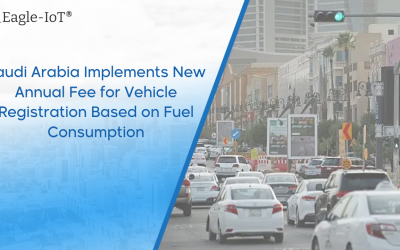
Driving Towards a Greener Future: What You Need to Know About Saudi Arabia’s Vehicle Registration Changes
Driving Towards a Greener Future: What You Need to Know About Saudi Arabia's Vehicle Registration Changes Saudi Arabia Implements New Annual Fee for Vehicle Registration Based on Fuel Consumption Saudi Arabia implemented the new annual fee for Vehicle Registration...

From Planning to Implementation: Steps to Building a Successful Green Fleet Program
From Planning to Implementation: Steps to Building a Successful Green Fleet Program The transportation industry is a major contributor to climate change, accounting for about 28% of global greenhouse gas emissions. As fleets strive to reduce their carbon footprint and...

Know what your fleet’s carbon footprint is!
Know what your fleet’s carbon footprint is! Environmental sustainability initiatives are a new buzz around the globe with an objective to lessen the impact of your business on the planet. New legislations are introduced internationally to combat offsetting (carbon...

Carbon emissions of vehicles as key driver of Global warming, says NASA
Carbon emissions of vehicles as key driver of Global warming, says NASA New research headed by NASA’s Goddard Institute for Space Studies (GISS) in New York City’s Nadine Unger, focuses on a more intuitive approach by examining climate impacts by the economic sector...
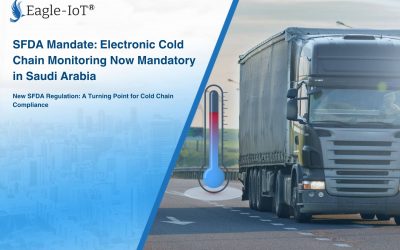
SFDA Mandate:Electronic-Cold-Chain-Monitoring-Now-Mandatory-in-Saudi-Arabia
In a landmark move to safeguard public health and enhance food quality, the Saudi Food and Drug Authority (SFDA) has issued a mandatory directive: All refrigerated and frozen food facilities—including factories, warehouses, and transport vehicles—must electronically...
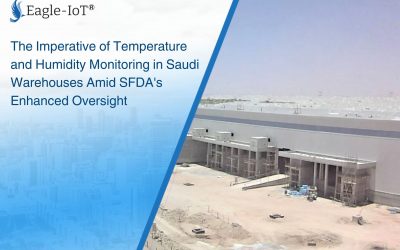
The Imperative of Temperature and Humidity Monitoring in Saudi Warehouses Amid SFDA’s Enhanced Oversight
The Saudi Arabia’s food industry is experiencing a significant evolution, marked by the increasing convergence of stringent regulatory mandates from the Saudi Food and Drug Authority (SFDA) and the rapid advancements in monitoring technology. In anticipation of peak...

Cyberthreats to Connected Cars: Stop at the API
Cyberthreats to Connected Cars: Stop at the API Our cars are evolving into rolling tech marvels, offering comfort, convenience, and a glimpse of the self-driving future. However, this technological leap comes with a hidden danger: a growing vulnerability to...

AI Transforms Google Maps: 6 Features for Smarter Navigation
AI Transforms Google Maps: 6 Features for Smarter Navigation Gone are the days of paper maps and frustrating route planning for fleet managers. Google AI powered Mapping technology has exponentially ascended, offering real-time directions, immersive street views, and...
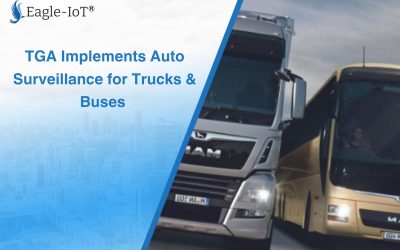
TGA Implements Auto Surveillance for Trucks & Buses
TGA Implements Auto Surveillance for Trucks & Buses Saudi Arabia's Transportation Industry Embraces a Digital Future The transformation of Saudi Arabia's transportation industry continues, driven by innovation and a commitment to enhanced safety and efficiency....
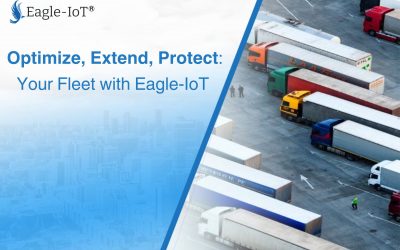
Optimize, Extend, Protect: Your Fleet with Eagle-IoT
Optimize, Extend, Protect: Your Fleet with Eagle-IoT Fleet management is a dynamic and demanding task that requires meticulous attention to detail and a proactive approach. Fleet managers are tasked with managing the total cost of ownership across all fleet assets...

Russia-Chinese cooperation: Using GLONASS and BeiDou for peaceful purposes
Russia-Chinese cooperation: Using GLONASS and BeiDou for peaceful purpose On July 26th, Russia passed a law named “On ratification of the agreement between the Government of the Russian Federation and the Government of the People’s Republic of China on cooperation in...

Who gets more distracted: older driver vs. younger driver?
Who gets more distracted: older driver vs. younger driver? According to the latest study conducted by the University of Utah in conjunction with the AAA Foundation for Traffic Safety to find the connection between the rapid increase in technology and older drivers....

Australia raised $10.8 million by planning a network of nanosatellites for IoT applications
Australia raised $10.8 million by planning a network of nanosatellites for IoT applications. Fleet space technologies located in Adelaide, capital of Southern Australia, recently raised $10.8 million by planning a network of nanosatellites for IoT applications. It is...

The Evolution of Telematics: U.S. Market Insights and Opportunities for Saudi Arabia
Telematics technology has revolutionized fleet management worldwide, enhancing operational efficiency, safety, and compliance. A recent study on the U.S. market highlights key trends shaping the industry, particularly the shift towards video telematics as GPS-based...
Time is Money: Why Early Incident Reporting Matters
Accidents are an unfortunate but inevitable part of the landscape. When they occur, the immediacy of your response can have a profound impact on the overall cost and outcome of the incident. Delays in reporting incidents can lead to significant cost implications for...

When Generators Whisper Secrets: How Data Analysis Optimizes Production
When Generators Whisper Secrets: How Data Analysis Optimizes Production The Critical Role of Reliable Generators in Industrial Success Industrial success hinges on the reliable operation of generators. From the colossal presses shaping steel to the delicate equipment...
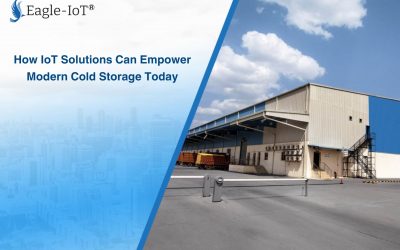
How IoT Solutions Can Empower Modern Cold Storage Today
How IoT Solutions Can Empower Modern Cold Storage Today Within the intricate network of the global supply chain, cold storage facilities play a vital role. These specialized warehouses ensure the safekeeping and distribution of temperature-sensitive products,...
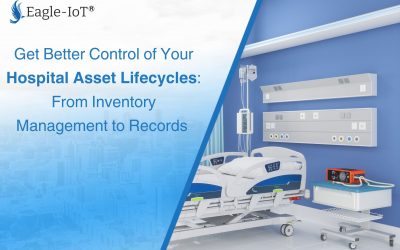
Get Better Control of Your Hospital Asset Lifecycles: From Inventory Management to Records
The Urgent Need for Effective Hospital Asset Management Never before has the global healthcare system has been put under such huge strain as during a pandemic. With the quick dwindling of resources, hospitals were fighting for critical medical supplies. In the...
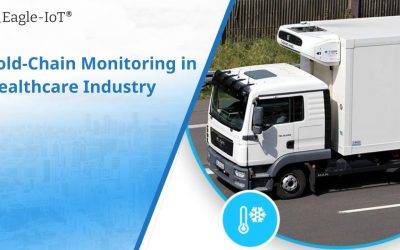
Why is it Crucial to Ensure Quality Control in Healthcare Industry?
Why is it crucial to ensure quality control in healthcare industry? Why the Right Conditions Matter: Have you ever wondered, why is it crucial to keep biotechnology and pharmaceutical products under the right ambient conditions? While we are well aware of the fact...
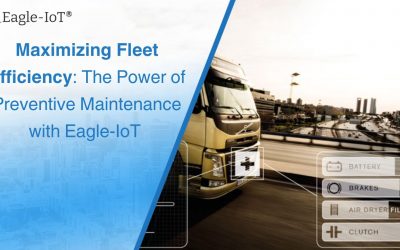
Maximizing Fleet Efficiency: The Power of Preventive Maintenance with Eagle-IoT
Maximizing Fleet Efficiency: The Power of Preventive Maintenance with Eagle-IoT In the fast-paced world of fleet management, where every minute counts, preventing downtime and ensuring the longevity of assets are critical objectives. Fleet managers are increasingly...
Navigate Your Facility with Ease of Eagle-IoT Facility Management Software
Navigate Your Facility with Ease of Eagle-IoT Facility Management Software In the rapidly evolving business landscape, effective facility management (FM) has emerged as an indispensable element for cultivating productive and secure work environments. This...
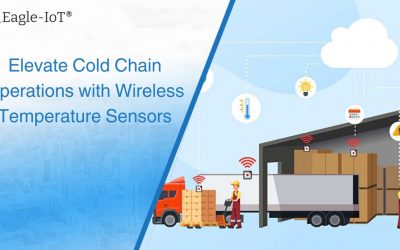
Elevate Cold Chain Operations with Wireless Temperature Sensors
Elevate Cold Chain Operations with Wireless Temperature Sensors In the ever-evolving landscape of logistics and supply chain management, maintaining the integrity of the cold chain has become a critical factor in ensuring the quality and safety of...
Study Guide linePlan a successful thermal mapping
As per the new guideline issued by Saudi Food and Drug Authority (SFDA), it is mandatory for temperature-controlled facility to have Data-Driven Thermal Analysis to meet the new requirement of Storage Regulatory. In a controlled temperature environment (CTE), temperature fluctuation is far from straightforward. With the implementation of thermal mapping technique, we can stabilize the temperature and humidity in a controlled environment (such as a warehouse, refrigerator, or vehicle). It ensures that your products are kept within the certain temperature range, minimizing the chances of spoilage or damage. Besides this, the study allows to identify any potential hot or cold locations which could possibly jeopardize the temperature-sensitive items.
Ready to talk?
Get in touch to chat with our expert consultants today.
