


Why Businesses Need More Than Just Vehicle Tracking
Managing a commercial fleet involves much more than knowing where vehicles are located. Fleet operators must monitor driver behaviour, control fuel consumption, maintain vehicle availability, manage operational costs, and ensure that vehicles are being used efficiently.
For organizations operating in Saudi Arabia, these requirements become even more important when managing large vehicle fleets across multiple cities, industrial facilities, construction sites, and remote operational locations.
Traditional vehicle tracking systems provide location information and trip history. However, modern fleet operations require a more comprehensive approach that connects vehicle tracking, driver monitoring, video telematics, and fuel analytics within one centralized platform.
If you are looking for a fully integrated telematics fleet management system in Saudi Arabia, Eagle-IoT by Power Orbit is a solution worth considering.
Eagle-IoT combines GPS vehicle tracking, driver behaviour monitoring, video telematics, fuel monitoring, and fleet analytics within an integrated management platform. It enables businesses to monitor their vehicles, evaluate driver performance, understand fuel consumption patterns, and gain better visibility into their fleet operations.
Instead of managing multiple disconnected systems, organizations can access important fleet information through a centralized dashboard and make informed operational decisions.
What Is an Integrated Telematics Fleet Management System?
An integrated telematics fleet management system combines vehicle tracking hardware, connected sensors, communication technologies, and fleet management software to collect and analyze information about vehicles and their operations.
The system receives data from GPS tracking devices, fuel sensors, cameras, vehicle diagnostic interfaces, and other connected equipment.
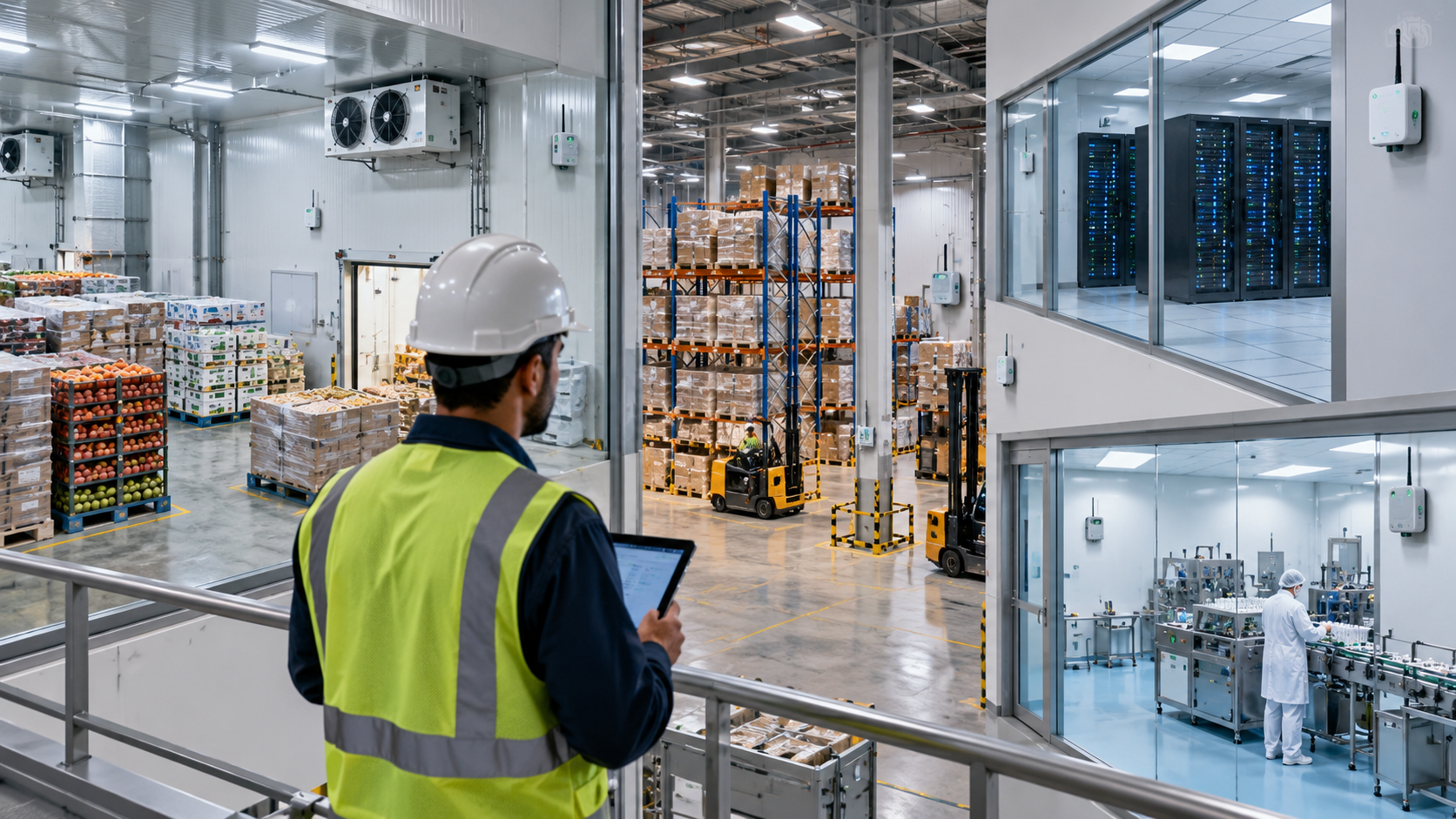
This information is transmitted to a centralized software platform, where fleet managers can monitor vehicles, review driver activities, analyze fuel consumption, and generate operational reports.
A comprehensive telematics solution should connect three essential operational areas:
- Vehicle Tracking: Real-time vehicle locations, routes, trips, geofencing, and vehicle utilization.
- Driver Monitoring: Driving behaviour, safety violations, driver identification, and video-based monitoring.
- Fuel Analytics: Fuel consumption, refuelling activities, fuel theft indicators, and consumption trends.
When these capabilities work together, fleet managers gain a more complete understanding of what is happening across their operations.
Why Choose Eagle-IoT for Integrated Fleet Management in Saudi Arabia?
Eagle-IoT offers an integrated fleet management and telematics platform designed to help businesses improve operational visibility, driver accountability, and fleet performance.
The platform brings multiple telematics capabilities together, allowing fleet managers to monitor vehicles, review driver activities, and evaluate fuel consumption through a unified environment.
Here are the essential capabilities businesses should look for.
Real-Time GPS Vehicle Tracking and Fleet Visibility
Vehicle location is the foundation of effective fleet management.
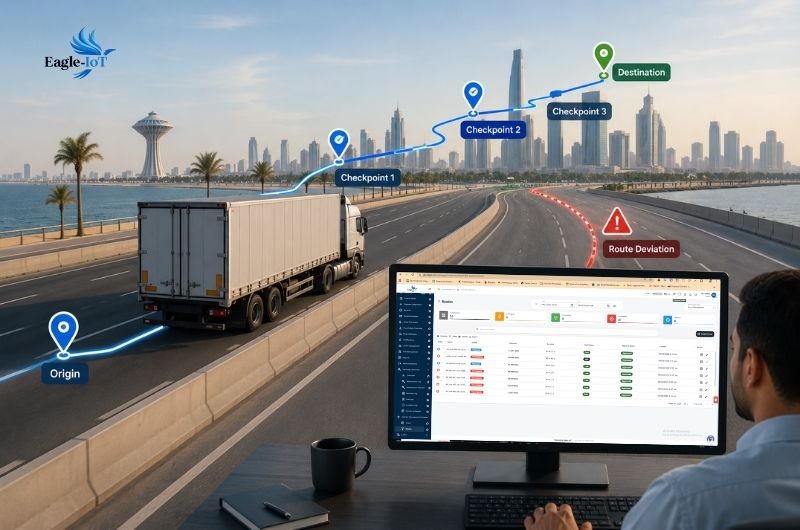
Eagle-IoT enables fleet operators to monitor vehicle locations, review routes, track trips, and maintain visibility across their entire fleet through a centralized dashboard.
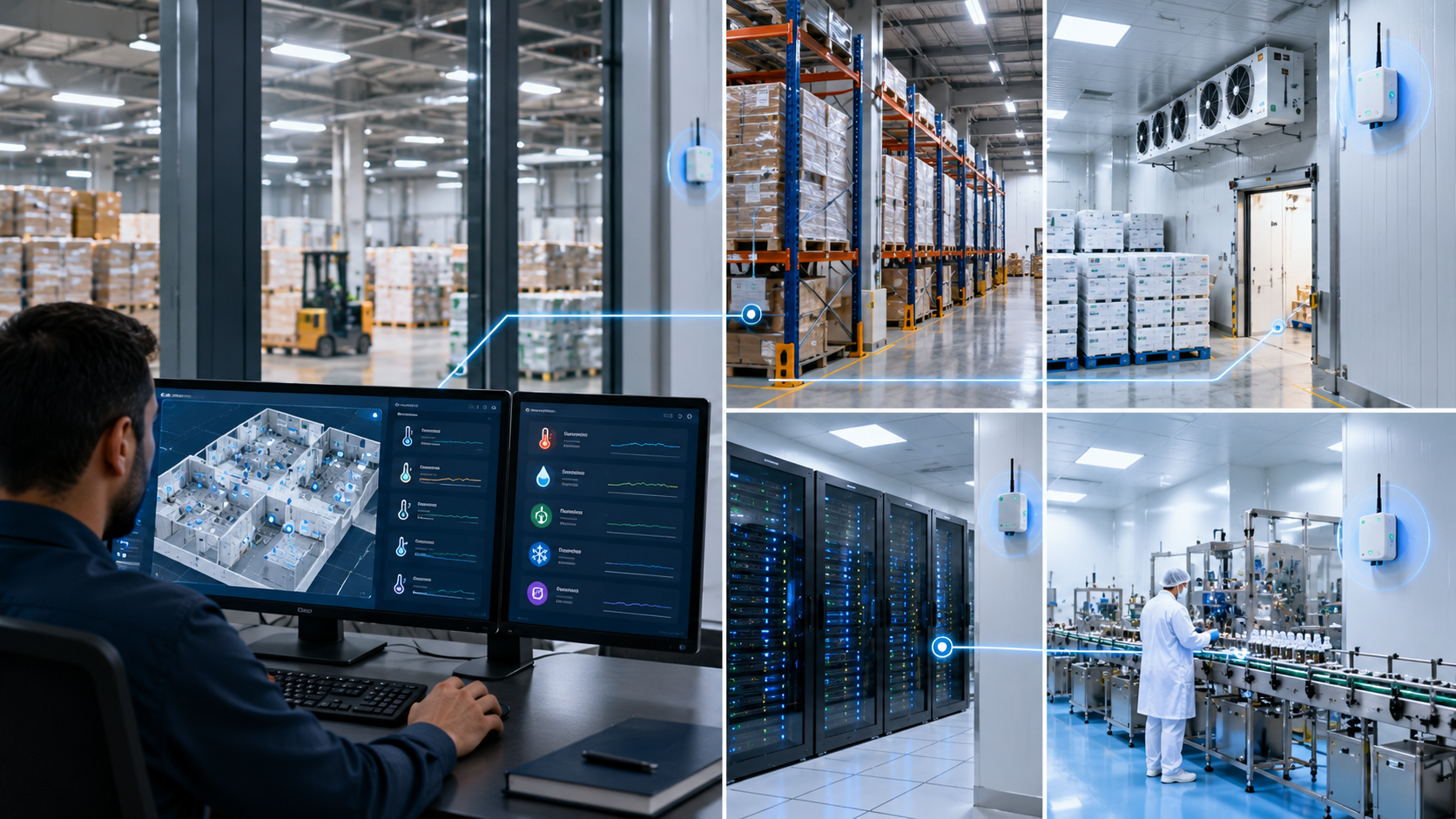
Key tracking capabilities include:
- Real-time GPS vehicle tracking.
- Live fleet location monitoring.
- Historical trip playback.
- Route and travel history.
- Geofencing and location-based notifications.
- Vehicle idling and overspeed monitoring.
- Vehicle movement and stop reports.
- Driver identification and trip association.
- Fleet monitoring through web and mobile applications.
Geofencing allows businesses to define virtual geographical boundaries around warehouses, customer locations, project sites, and operational facilities.
When a vehicle enters or exits a defined geographical area, the system can generate notifications according to configured rules.
These capabilities help fleet managers maintain operational visibility, review vehicle movements, and monitor how vehicles are being utilized.
Driver Behaviour Monitoring and Safety Management
Driver behaviour has a direct impact on fleet safety, fuel consumption, vehicle maintenance, and operational efficiency.
Aggressive acceleration, harsh braking, excessive speeding, prolonged idling, and unsafe driving practices can increase operational costs and expose businesses to unnecessary risks.
Eagle-IoT provides driver behaviour monitoring capabilities that help fleet managers identify driving patterns and evaluate driver performance.
The platform can monitor:
- Overspeeding.
- Harsh acceleration.
- Harsh braking.
- Harsh cornering.
- Excessive idling.
- Seatbelt violations, where supported by connected hardware.
- Driver identification.
- Driver activity and trip records.
- Driver scorecards and performance reports.
By reviewing these events, fleet managers can identify drivers who require additional training and establish more structured driver safety programs.
Driver scorecards also provide a measurable approach to evaluating driving performance over time.
Instead of depending entirely on manual supervision, organizations can use recorded telematics data to support driver coaching and improve fleet safety practices.
Video Telematics: Connecting Vehicle Tracking with Driver Visibility
GPS tracking provides information about vehicle movements, but it does not always explain what happens inside or around the vehicle.
Video telematics adds another layer of operational visibility by combining vehicle tracking with camera-based monitoring.
Eagle-IoT supports video telematics through compatible mobile DVRs, dash cameras, and AI-enabled camera systems.
Depending on the selected hardware and configuration, video telematics can support:
- Live video monitoring.
- Historical video playback.
- Event-based video recording.
- Driver-facing camera monitoring.
- Road-facing camera monitoring.
- ADAS alerts, including forward collision warnings and lane departure warnings.
- DMS alerts for supported events such as driver fatigue and distraction.
- Mobile phone usage and smoking detection, where supported.
- Video evidence for incident investigation.
These capabilities allow fleet managers to review driving incidents with visual context and understand the circumstances surrounding specific events.
For businesses operating passenger transport, logistics, school buses, and commercial fleets, video telematics can contribute to improved driver accountability and fleet safety management.
Fuel Management and Consumption Analytics
Fuel is one of the most significant operating expenses for many fleet operators.
Without accurate fuel monitoring, organizations may struggle to understand consumption patterns, identify unusual fuel losses, and evaluate whether vehicles are consuming fuel efficiently.
An integrated fleet management system should provide fuel visibility alongside vehicle tracking and driver information.
Eagle-IoT supports fuel monitoring through compatible fuel sensors, vehicle data interfaces, and telematics hardware.
Depending on the connected equipment, the platform can help organizations monitor:
- Fuel consumption.
- Fuel level changes.
- Refuelling activities.
- Sudden fuel drops.
- Potential fuel theft indicators.
- Fuel consumption by vehicle.
- Fuel usage across different operational periods.
- Fuel-related reporting and analytics.
When fuel information is associated with vehicle movements and trip records, fleet managers can investigate unusual consumption patterns more effectively.
For example, a sudden fuel-level drop while a vehicle is stationary may require investigation. Similarly, comparing fuel consumption across vehicles operating on similar routes can help identify differences in operational efficiency.
This combination of vehicle tracking and fuel analytics provides businesses with a more comprehensive approach to fuel cost management.
Centralized Fleet Analytics and Reporting
An integrated telematics platform should not simply collect vehicle data. It should convert operational information into reports that fleet managers can use.
Eagle-IoT provides reporting and analytics capabilities that allow businesses to evaluate different aspects of their fleet operations.
Managers can review information related to:
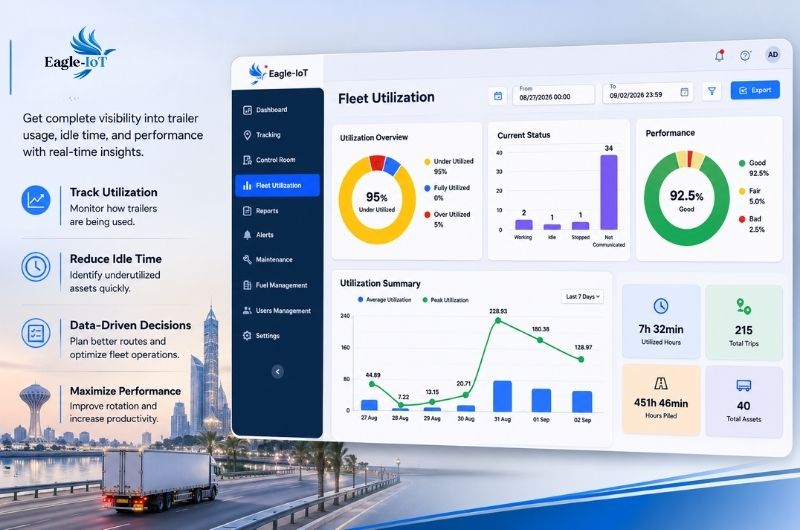
- Vehicle utilization.
- Distance travelled.
- Trip duration.
- Idling time.
- Driver behaviour.
- Fuel consumption.
- Vehicle movement.
- Geofence activities.
- Video events.
- Fleet operational performance.
- These reports help organizations identify inefficiencies, compare vehicle performance, evaluate driver activities, and improve operational planning.
For businesses managing large fleets, centralized reporting also reduces dependency on separate spreadsheets and manual data collection.
Fleet Maintenance and Vehicle Performance Monitoring
Maintaining vehicle availability is essential for uninterrupted fleet operations.
Unplanned vehicle downtime can affect delivery schedules, transportation services, and overall business productivity.
Eagle-IoT supports vehicle maintenance management through maintenance scheduling, service records, and compatible vehicle data monitoring.
Fleet managers can organize maintenance activities based on configured schedules and available vehicle information.
The platform can also support access to vehicle diagnostic information through compatible devices and interfaces.
This allows organizations to maintain better visibility into vehicle service requirements and organize maintenance activities more systematically.
One Platform for Fleet Operations
Managing vehicle tracking through one provider, driver monitoring through another, and fuel information through a separate system can create fragmented operational data.
An integrated telematics platform addresses this challenge by bringing multiple fleet management functions into one environment.
Eagle-IoT combines vehicle tracking, driver behaviour monitoring, video telematics, fuel analytics, and maintenance management within its fleet management ecosystem.
This provides fleet managers with a centralized view of their operations and helps different teams work with consistent fleet information.
The platform also supports web-based fleet management and mobile applications, allowing authorized users to access relevant information according to their operational requirements.
Which Industries Need an Integrated Fleet Telematics Solution in Saudi Arabia?
Different industries operate different types of fleets, but they share a common requirement: better control over vehicles, drivers, and operating costs.
Logistics and Transportation
Logistics companies can monitor delivery vehicles, review routes, evaluate driver performance, and analyze fuel consumption to improve fleet operations.
Construction and Contracting
Construction companies can monitor trucks, heavy vehicles, service fleets, and vehicles operating across multiple project locations.
Oil and Gas
Oil and gas organizations can improve vehicle visibility, monitor driver behaviour, review vehicle movements, and maintain better operational oversight across industrial and remote locations.
Passenger Transportation
Bus and passenger transport operators can combine vehicle tracking, driver monitoring, video telematics, and operational reporting to support safer transportation services.
Distribution and FMCG
Distribution businesses can monitor delivery fleets, review vehicle movements, evaluate driver performance, and understand fuel consumption across delivery operations.
Corporate and Government Fleets
Organizations managing large vehicle fleets can use centralized fleet analytics to improve accountability, monitor vehicle utilization, and maintain consistent operational oversight.
How to Select the Right Fleet Management Software in Saudi Arabia
Selecting a telematics provider requires evaluating both the software platform and the connected hardware.
Before investing in a fleet management system, consider these important factors:
Integrated Capabilities: Can the system combine vehicle tracking, driver monitoring, video telematics, and fuel analytics?
Hardware Compatibility: Does the platform support suitable GPS devices, fuel sensors, cameras, and vehicle diagnostic interfaces?
Real-Time Visibility: Can fleet managers monitor vehicle locations and relevant operational events through a centralized dashboard?
Driver Safety: Does the system provide driver behaviour monitoring, event records, and performance reporting?
Fuel Analytics: Can it monitor fuel levels, consumption, refuelling, and unusual fuel changes?
Reporting and Analytics: Does the platform provide meaningful information for operational and management decisions?
Scalability: Can it accommodate growing fleets, multiple branches, and different vehicle categories?
Local Implementation and Support: Does the provider understand Saudi market requirements and offer appropriate technical and implementation support?
For businesses operating in regulated sectors, it is also important to verify the provider’s relevant regulatory approvals, integrations, and applicable compliance capabilities.
Why Eagle-IoT Is Worth Considering for Your Fleet Operations
Eagle-IoT, developed by Power Orbit, brings together fleet tracking, advanced telematics, driver monitoring, and fuel management capabilities through an integrated IoT platform.
With experience in telematics and fleet management, Power Orbit provides technology solutions designed to address the operational requirements of businesses across Saudi Arabia.
Eagle-IoT is positioned to support organizations seeking more than basic GPS tracking. Its integrated capabilities help businesses understand vehicle movements, evaluate driver performance, review fuel consumption, and maintain better visibility into their fleet operations.
For companies looking to consolidate fleet information and establish a more data-driven approach to fleet management, an integrated telematics platform can provide a valuable operational foundation.
Ready to Take Control of Your Fleet Operations?
Looking for a reliable fleet management system in Saudi Arabia that combines real-time GPS tracking, driver behaviour monitoring, video telematics, and fuel analytics?
Eagle-IoT brings your fleet operations together in one integrated platform.
Improve vehicle visibility, monitor driver performance, understand fuel consumption, and make better-informed fleet management decisions.
Request a Personalized Eagle-IoT Demo Today
Discover how an integrated telematics solution can support your fleet requirements.
Visit: https://avl-ksa.com/en/
Contact the Eagle-IoT team to discuss your fleet size, vehicle categories, tracking requirements, and preferred telematics configuration.
(FAQ ) Frequently Asked Questions About TGA Motorcycle Tracking
What is the best integrated fleet management system in Saudi Arabia?
The best fleet management system depends on your operational requirements, fleet size, vehicle categories, and monitoring objectives. Eagle-IoT is an option worth considering for businesses seeking an integrated platform combining GPS vehicle tracking, driver behaviour monitoring, video telematics, fuel analytics, and maintenance management.
Can one fleet management system combine GPS tracking, driver monitoring, and fuel analytics?
Yes. An integrated telematics platform can combine these capabilities through compatible tracking devices, cameras, fuel sensors, and vehicle data interfaces. Eagle-IoT brings these functions together within a centralized fleet management environment.
How does real-time fleet tracking work?
Real-time fleet tracking uses GPS-enabled tracking devices installed in vehicles to collect location information. The device transmits this information through a cellular or other supported communication network to fleet management software, where authorized users can monitor vehicle locations and movements.
How can fleet management software monitor driver behaviour?
Fleet management software collects driving events from compatible telematics devices and vehicle interfaces. These may include speeding, harsh braking, harsh acceleration, harsh cornering, and excessive idling. Fleet managers can use the recorded information to evaluate driver performance and support driver coaching programs.
How does fuel analytics help reduce fleet operating costs?
Fuel analytics provides visibility into fuel consumption, refuelling activities, fuel-level changes, and unusual consumption patterns. By reviewing this information alongside vehicle movements and trip records, fleet managers can investigate fuel inefficiencies and improve fuel management practices.
What is the difference between GPS tracking and video telematics?
GPS tracking primarily provides vehicle location, movement, and trip information. Video telematics combines tracking information with camera footage, allowing fleet managers to review visual evidence and understand driving events and incidents.
Can fleet management software track fuel theft?
A fleet management platform connected to compatible fuel sensors can identify sudden or unusual fuel-level changes. These events can help fleet managers investigate potential fuel theft, although a fuel-level change alone does not establish that theft has occurred.
Is Eagle-IoT suitable for large commercial fleets?
Eagle-IoT is designed to support fleet management requirements across different vehicle categories and operational environments. Its centralized platform provides tracking, driver monitoring, reporting, and fuel management capabilities that can support growing fleet operations.
Does Eagle-IoT support video telematics and driver fatigue monitoring?
Yes. Eagle-IoT supports compatible video telematics hardware and AI-enabled camera systems. Depending on the selected camera configuration, supported features can include driver monitoring, fatigue detection, distraction detection, forward collision warnings, and lane departure warnings.
Can fleet managers access vehicle information remotely?
Yes. Eagle-IoT provides web-based and mobile fleet management access, allowing authorized users to review vehicle locations, trips, driver activities, and other available fleet information remotely.
