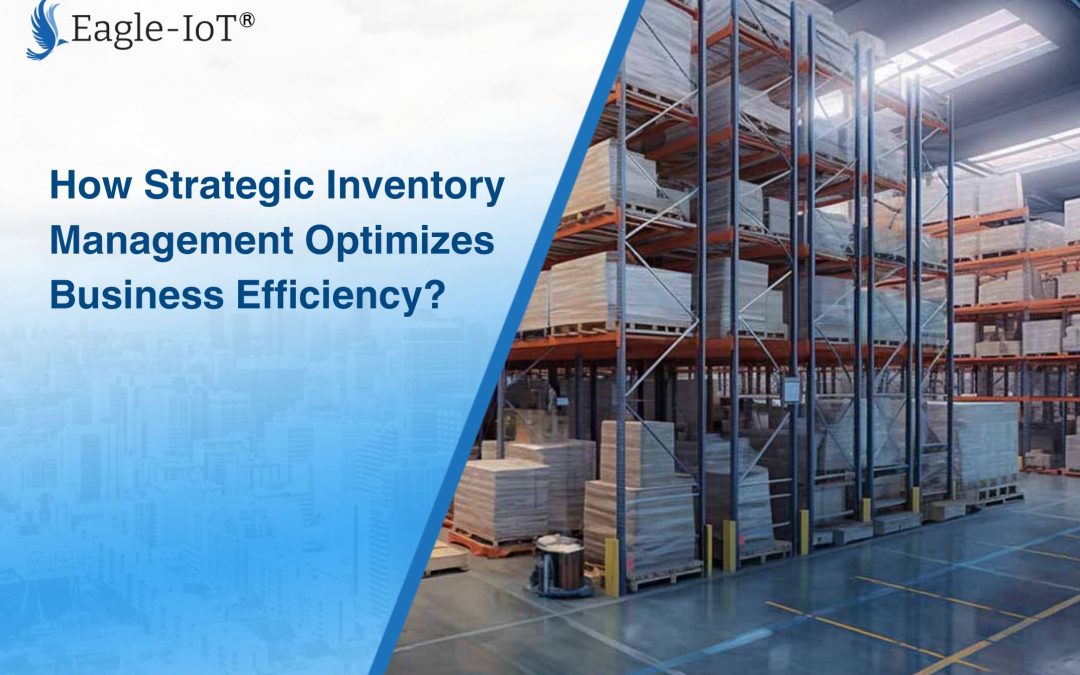
How Strategic Inventory Management Optimizes Business Efficiency?

How Strategic Inventory Management Optimizes Business Efficiency?

Balancing fluctuating consumer preferences and potential supply chain disruptions is crucial for businesses to thrive. Maintaining optimal inventory levels prevents stockouts and ensures readiness to capitalize on market opportunities. Given that inventory is a substantial investment, effective management is vital for boosting profitability, enhancing customer satisfaction, and streamlining operations. 

This comprehensive article delves into the world of inventory management, exploring best practices for streamlining processes, achieving a strategic advantage, and navigating the ever-evolving landscape of business. 

The Evolving Landscape of Inventory Management 

Traditionally, inventory management focused on maintaining physical stock levels through manual processes and record-keeping. However, the rise of e-commerce, globalization, and just-in-time (JIT) manufacturing necessitates a more sophisticated approach. Businesses now contend with: 

Strategic Inventory Management<br />

Increased Product Complexity: Modern products often involve intricate components and require precise inventory management strategies for each part. 

Global Supply Chains: Complex global supply chains introduce variables like extended lead times and potential disruptions due to geopolitical or economic factors. 

Shifting Consumer Demands: Consumer preferences can change quickly, requiring businesses to adapt their inventory levels to meet evolving market trends. 

Data-Driven Decision Making: The availability of vast amounts of data necessitates leveraging analytics to make informed decisions about procurement, forecasting, and stock levels. 

The Significance of Strategic Inventory Management 

Beyond simply keeping track of stock, strategic inventory management encompasses a comprehensive set of practices that consider all aspects of the inventory lifecycle, from forecasting demand to optimizing storage and controlling stock levels. Here’s how proactive inventory management benefits businesses: 

Enhanced Profitability: By minimizing stockouts and reducing excess inventory carrying costs (warehousing, insurance, etc.), businesses can maximize profit margins. Efficient inventory allocation ensures capital is readily available for investments that drive growth and innovation. 

Improved Customer Satisfaction: Unfulfilled orders due to stock shortages can severely damage customer experience. Effective inventory management ensures products are readily available, fostering customer loyalty and repeat business. Satisfied customers are more likely to become brand advocates, driving organic growth through positive word-of- mouth marketing. 

    Strategic Inventory Management<br />

    Strategies for Effective Inventory Management: A Multi-Pronged Approach 

    Implementing proven strategies can transform inventory management from a reactive function to a proactive driver of business success. Here’s a detailed exploration of key considerations: 

    Demand Forecasting: Utilize data analytics to predict future demand based on historical sales data, industry trends, marketing initiatives, and seasonality. Accurate forecasting allows for proactive purchasing, prevents stockouts, and avoids overstocking slow-moving items. Consider employing various forecasting techniques, such as moving averages, exponential smoothing, and machine learning algorithms, for greater accuracy. 

    ABC Analysis: Categorize inventory items based on their value and criticality (annual dollar usage). The ABC analysis classifies items into three categories: 

    A Items (High Value, High Criticality): These items represent a significant portion of the total inventory value and require the most stringent controls. Implement frequent cycle counting for A items, maintain safety stock levels to avoid stockouts, and negotiate favorable terms with suppliers. 

    B Items (Moderate Value, Moderate Criticality): These items require a balance between control and efficiency. Implement periodic cycle counting for B items and explore vendor-managed inventory (VMI) programs where suppliers manage stock levels based on pre-determined agreements. 

    C Items (Low Value, Low Criticality): These items represent a small portion of the total inventory value and require less stringent controls. Implement less frequent cycle counting for C items and consider bulk purchasing to leverage economies of scale. 

    Minimum Order Quantity Optimization:

    Negotiate Minimum Order Quantities (MOQs) with suppliers to strike a balance between cost efficiencies and avoiding overstocking slow-moving items. Explore alternative solutions like vendor-managed inventory (VMI) programs or consignment inventory models where suppliers retain ownership of the stock until it’s sold. 

    Warehouse Optimization: 

    Designate efficient warehouse layouts to minimize travel time for picking and packing processes. Utilize effective storage solutions like vertical racking systems to maximize space utilization. Implement a clear and consistent labeling system for easy identification and location of inventory items.  

    Seamless Integration of Asset Management & Inventory Management   

    Effective inventory management goes beyond just tracking physical goods. It’s a comprehensive system that encompasses the entire lifecycle of an asset, from its procurement to its final disposal. Eagle-IoT Inventory Management offers insights into two crucial aspects of Asset MManagement: Asset Procurement and Asset Assignment Management. 

    Strategic Inventory Management<br />

    Asset Procurement: Recording and Capitalization 

    Recording at Receipt or Capitalization: Organizations typically record assets when they are physically received or when they meet specific capitalization criteria as defined by their tracking policy. This ensures proper financial accounting and allows for depreciation calculations. 

    ERP and Procurement Software Integration: Modern businesses leverage Enterprise Resource Planning (ERP) or dedicated procurement software for streamlined asset procurement. These systems can automatically generate asset records upon receiving confirmation or when an asset meets capitalization criteria. This integration eliminates manual data entry and reduces the risk of errors. 

    Strategic Inventory Management<br />

    Asset Assignment Management: Tracking and Maintaining Control 

    Effective asset assignment management ensures complete visibility over the location, usage, and condition of all assets. Here’s how organizations achieve this: 

    Multifunctional Handheld Scanners: These scanners allow employees to quickly and accurately track assets, update their location data, and record maintenance activities. This real-time data collection ensures a clear understanding of where each asset is deployed. 

    Integration with Location Data Sources: Integrating asset management systems with location tracking tools like GPS or RFID technology provides even greater visibility. This allows for real-time monitoring of high-value assets or those critical for operations. 


    Audit Trail and Documentation: Maintaining a comprehensive audit trail for all asset movements and associated approvals is essential. This includes recording personnel responsible for assignments, dates of transfer, and any relevant maintenance documentation. This audit trail facilitates accountability and helps identify potential issues with asset usage. 

    Connecting Asset Management with Inventory Management: 

    By integrating asset management with inventory management processes, organizations can achieve a holistic view of their resources. This combined approach offers several benefits: 

    Improved Asset Utilization: Real-time asset data helps identify underutilized assets, allowing for re-deployment to optimize resource allocation. 

    Reduced Loss and Theft: Robust tracking systems deter asset theft and minimize loss through accidental misplacement. 

    Efficient Maintenance Scheduling: Maintenance history data within the asset management system facilitates preventative maintenance scheduling, reducing downtime and extending asset lifespan. 

    Streamlined Procurement Decisions: Data on asset usage and lifecycle helps with informed procurement decisions. Insights into asset performance can guide purchases of replacements or upgrades. 

    A Unified Approach for Business Efficiency 

    Implementing a synergistic approach that integrates asset procurement, assignment management, and inventory management empowers businesses to: 

    Optimize Resource Utilization: Gain complete visibility and control over both physical inventory and fixed assets, ensuring they are used efficiently and effectively. 

    Enhance Financial Control: Accurate asset records and depreciation calculations contribute to improved financial reporting and compliance. 

    Reduce Operational Costs: Minimize losses, optimize maintenance schedules, and make data-driven procurement decisions to streamline operations and reduce costs. 

    By integrating these practices into their overall business strategy, companies can achieve a competitive edge through efficient resource management and responsible asset lifecycles.  

    Eagle-IoT Inventory Management provides a robust platform for integrating asset and inventory management, offering features such as real-time tracking, automated data collection, and advanced analytics. By leveraging Eagle-IoT, businesses can gain valuable insights, optimize operations, and make data-driven decisions to drive growth and profitability. 

    If you want to learn more about Eagle-IoT 
      ..
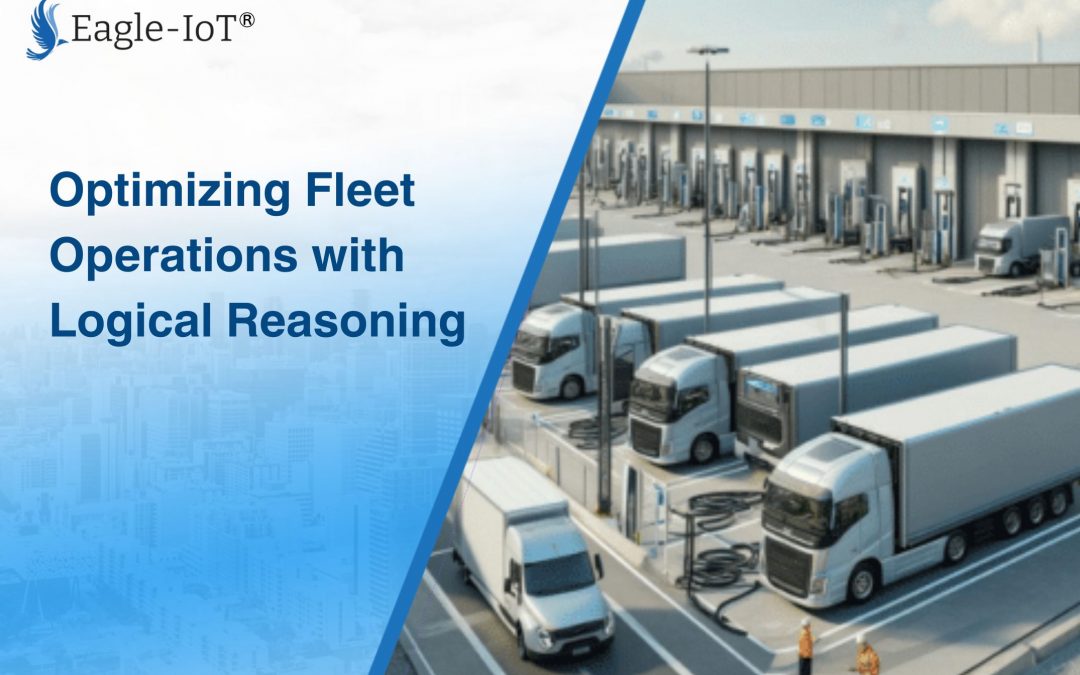
      Optimizing Fleet Operations with Logical Reasoning

      Optimizing Fleet Operations with Logical Reasoning

      Running a fleet, whether for deliveries, taxis, or construction crews, can be a logistical maze. Streamlining operations translates directly to a healthier bottom line. 

      In this article we present a strategic framework that utilizes logical reasoning at every step. This approach, encompassing needs assessment, objective setting, data analysis, data-driven changes, meticulous monitoring, and continuous adaptation, transforms your fleet from simply functional to a well-oiled machine driving organizational success. 

      Needs Assessment & Objective Setting 

      The key to a successful fleet operation lies in a thorough assessment, and logical reasoning takes center stage in assessment. By analyzing your current landscape, you can identify problems and set well-defined objectives. 

      Identifying Operational Inefficiencies:

      Don’t rely solely on intuition. Apply logical reasoning to pinpoint areas for improvement. Are fuel costs steadily rising? Do deliveries consistently fall behind schedule? Are maintenance schedules haphazard and reactive? These are all indicators that optimization is necessary. 

      Fleet optimization

      Setting SMART Objectives:

      Once you’ve identified problematic areas, use logic to translate them into achievable goals. SMART objectives are Specific, Measurable, Achievable, Relevant, and Time-bound. For example, instead of simply stating “reduce fuel costs,” a more logical and actionable objective would be “Reduce fuel consumption by 10% within the next six months.” This clear objective allows you to track progress and measure success with greater precision. 

      Gathering Intelligence – Data Analysis 

      Data is powerful, but only when it’s relevant. For effective decision-making, focus on collecting targeted information that sheds light on your specific goals. The focused approach allows you to extract valuable insights that optimize your fleet operations. 

      Targeted Data Collection:

      Avoid getting bogged down by information overload. Logically determine what data is crucial to achieving your objectives. Fuel usage per vehicle, delivery times, maintenance records, and driver performance metrics are all valuable data points depending on your specific goals. 

      Fleet optimization
      IT Asset Management

      Identifying Trends and Patterns:

      The data holds the key, but logical analysis is the decoder ring that unlocks its secrets. Look for patterns and correlations within the data. For instance, a spike in fuel consumption for a specific vehicle might point towards a mechanical issue or inefficient driving habits. Identifying these trends allows you to address the root cause of the problem and improve overall efficiency. 

      Taking Action – Implementation of Data-Driven Changes 

      Now that you have a clear understanding of your challenges and the data to back it up, it’s time to take concrete action. Logical reasoning will guide you in developing and prioritizing solutions that make the most sense for your specific situation. 

      IT Asset Management
      • Developing Data-Driven Solutions: Always base solutions on the data you’ve analyzed. For example, if you’ve identified a pattern of late deliveries due to inefficient routes, the logical solution would be to implement route optimization software or strategies. Similarly, if fuel consumption is high, training drivers on fuel-efficient practices and identifying vehicles with mechanical problems are logical next steps. 
      • Prioritization of Actions: Not all changes are created equal. Use logic to prioritize your actions based on their potential impact and feasibility. Fixing a faulty engine that’s guzzling gas might be more impactful than a minor tweak to a single route. By logically prioritizing, you can maximize the return on your investment of resources and time. 
      IT Asset Management

      Measuring Progress – Monitoring and Evaluation 

      Change doesn’t happen overnight, and neither do results. This step requires consistent monitoring and logical evaluation of the impact of your implemented changes. 

      • Tracking Progress Towards Objectives: Remember those SMART objectives you defined earlier? Here’s where they come into play. Track your progress systematically towards achieving those goals. Are you on track to reduce fuel consumption by 10% within the six-month timeframe? Are deliveries happening more consistently on time? Logical monitoring helps you identify areas where progress is evident and areas that might need further adjustments. 

      Evaluating Effectiveness of Implemented Changes: Don’t be afraid to course-correct as needed. Use logic to assess the effectiveness of the implemented changes. Did fuel consumption truly decrease after training drivers and fixing faulty engines? Analyze the data to confirm or disprove your assumptions. This ongoing evaluation allows for continuous improvement and ensures your strategies remain optimized. 

      Learning from Results: Continuous Improvement Through Adaptation 

      The road to success is paved with continuous learning and adaptation. This final step ensures you’re constantly evolving and optimizing your fleet operations. It’s here that the rubber meets the road – the insights you gather from your implemented strategies become the fuel for further improvement. 

      Embrace the Power of Analysis: Don’t just celebrate successes or lament failures; analyze why a strategy worked or failed. Did route optimization lead to a significant decrease in delivery times? Did driver training on fuel-efficient practices translate to a measurable reduction in fuel consumption? Analyze the data to pinpoint the cause-and-effect relationships. 

      Identify Areas for Refinement: This analysis will reveal areas where your strategies can be further refined. Perhaps a specific route needs minor tweaks, or perhaps a different training approach would yield even better results for fuel efficiency. By understanding the “why” behind your results, you can make targeted adjustments for continuous improvement. 

      Embrace a Culture of Experimentation: Don’t be afraid to experiment with new strategies. A/B testing different routes or maintenance schedules can provide valuable insights. Remember, even unsuccessful experiments offer valuable lessons. 

      Fleet optimization

      The Cycle Continues 

      As you learn and adapt, the cycle starts anew. Revisit your needs assessment to see if your objectives need refinement based on your evolving understanding of your fleet’s operations. This continuous loop of logical reasoning, data-driven decision making, and adaptation ensures your fleet remains optimized for long-term success. evolving understanding of your fleet’s operations. This continuous loop of logical reasoning, data-driven decision making, and adaptation ensures your fleet remains optimized for long-term success. 

      ..
      Time is Money: Why Early Incident Reporting Matters

      Time is Money: Why Early Incident Reporting Matters

      Accidents are an unfortunate but inevitable part of the landscape. When they occur, the immediacy of your response can have a profound impact on the overall cost and outcome of the incident. Delays in reporting incidents can lead to significant cost implications for your business, and understanding these costs is crucial.  

      The Hidden Costs of Delayed Reporting 

       When an accident occurs, the initial reaction is often focused on immediate concerns: ensuring the safety of those involved, managing the scene, and initiating basic reporting procedures. However, the true costs of an accident extend far beyond these initial steps. Delays in reporting can exacerbate these costs in several ways: 

      Increased Claim Costs: 

      Administrative Delays: The longer it takes to report an incident, the more complex the administrative process becomes. This can result in increased labor costs as more personnel hours are required to manage the claim. 

      Escalated Medical Costs: Delays can lead to a lack of prompt medical attention for those injured, potentially worsening injuries and leading to higher medical expenses. 

      Legal and Penalty Costs: Regulatory bodies often have strict timelines for reporting incidents. Failure to adhere to these can result in fines and legal penalties. 

      Incident Reporting

      Operational Disruptions 

      Downtime: Delays in reporting can lead to extended periods of downtime, affecting productivity and operational efficiency. The longer the delay, the longer it may take to get operations back to normal. 

      Resource Allocation: Inefficiencies in reporting and managing incidents can divert critical resources away from core business activities, further impacting overall productivity. 

      Reputational Damage: 

       Stakeholder Confidence: Delayed incident reporting can erode stakeholder confidence, including employees, customers, and investors. This can have long-term impacts on the business’s reputation and market position. 

      Media Exposure: In the age of social media and rapid news dissemination, delays in incident reporting can result in negative media exposure, amplifying the reputational damage. 

      Incident Reporting
      IT Asset Management

      Make the Most of Your IT Investments

      Underutilized IT assets represent a significant cost burden for businesses. Organizations often lack the visibility and data needed to optimize asset utilization and identify opportunities for cost savings. Eagle-IoT ITAM empowers you to make data-driven decisions about your IT investments. The solution provides detailed reports on asset usage, helping you identify underutilized equipment. This allows you to reallocate resources, optimize existing assets, and potentially avoid unnecessary hardware or software purchases. Eagle-IoT ITAM also scales with your organization’s needs, ensuring it remains effective as your IT infrastructure grows. 

      Key Metrics to Compare: 

      Average Time to Report: How long does it take on average for your organization to report an incident? Industry benchmarks indicate that best practices involve reporting within 24 hours. 

      Total Claim Costs: What are the total costs associated with your claims compared to industry averages? Analyzing these figures can help identify areas for cost reduction. 

      Frequency of Claims: How often do incidents occur, and how does this frequency compare to industry norms? High frequency may indicate underlying safety or operational issues that need addressing. 

      IT Asset Management

      Leveraging Technology with Eagle-IoT 

       To effectively manage incident reporting and minimize delays, leveraging technology is essential. Eagle-IoT offers a comprehensive suite of tools designed to enhance accident reporting and reconstruction, providing real-time alerts and detailed analysis to streamline the process. 

      Accident Reconstruction: 

      Eagle-IoT’s accident reconstruction capabilities provide a detailed analysis of incidents, helping to understand the causes and consequences. This technology uses data from various sensors and devices to create a precise and accurate reconstruction of the event.  

      Accurate Data Collection: Automated data collection from the moment of the incident ensures accuracy and comprehensiveness. 

      Detailed Analysis: Advanced algorithms analyze the data to provide a clear picture of the incident, identifying contributing factors and potential areas for improvement. 

      Legal Support: Detailed reconstruction reports can be invaluable in legal proceedings, providing clear evidence to support your case. 

      IT Asset Management

      Accident Alerts 

      Real-time accident alerts are a critical component of effective incident management. Eagle-IoT’s system provides immediate notifications when an incident occurs, ensuring rapid response and minimizing delays.  

      Instant Notifications: Alerts are sent to key personnel immediately, enabling prompt action. Alerts can be sent via SMS, call, email or push notification  

      Automated Reporting: The system automatically generates initial incident reports, reducing administrative burden and ensuring timely submission. 

      Integration with Emergency Services: Direct integration with emergency services ensures that the appropriate response teams are notified without delay. 

      Benefits of Incident Management: 

      Reduced Costs: The reduction in reporting time led to a 30% decrease in claim costs, saving the company significant resources. 

      Improved Safety: Real-time alerts and detailed reconstruction helped identify safety improvements, reducing the overall frequency of incidents. 

      Enhanced Compliance: Timely reporting ensured compliance with regulatory requirements, avoiding fines and legal penalties. 

      Implementing Best Practices 

       To maximize the benefits of Eagle-IoT’s accident reporting and reconstruction capabilities, it’s important to implement best practices within your organization. Here are some key strategies: 

      1. Training and Awareness:

      Ensure all employees are trained on the importance of timely incident reporting and how to use the Eagle-IoT system. Conduct regular refresher courses and drills to maintain awareness and readiness. 

      1. Clear Reporting Protocols:

      Establish clear and simple reporting protocols that all employees can follow.Use Eagle-IoT’s automated reporting features to streamline the process and reduce manual entry errors. 

      1. Continuous Monitoring and Improvement:

         Regularly review incident data and reports to identify trends and areas for improvement. Use insights from Eagle-IoT’s analysis to implement safety improvements and reduce the frequency of incidents. 

      1. Integration with Existing Systems:

        Ensure seamless integration of Eagle-IoT’s system with your existing operational and safety management systems. Use the data and insights from Eagle-IoT to enhance overall operational efficiency and safety compliance. 

      IT Asset Management

      When accidents happen, the clock starts ticking. The timeliness of your response can significantly influence the overall cost and outcome of the incident. Delays in reporting can lead to increased claim costs, operational disruptions, and reputational damage. By understanding these costs and leveraging advanced technology like Eagle-IoT’s accident reconstruction and accident alerts, businesses can enhance their incident management processes, reduce costs, and improve safety. 

      Implementing best practices, such as training and awareness, clear reporting protocols, continuous monitoring, and seamless integration with existing systems, will ensure that your organization is prepared to respond promptly and effectively when accidents occur. By doing so, you can protect your business, your employees, and your reputation, ensuring a safer and more efficient operational environment. 

      ..
      Top 5 Reasons You Need IT Asset Management (ITAM)

      Top 5 Reasons You Need IT Asset Management (ITAM)

      Gone are the days of scrambling to locate a missing laptop or struggling to reconcile software licenses during an audit. Modern businesses require a streamlined and efficient approach to managing their IT assets, from hardware and software to mobile devices and network components.  

      Effective ITAM empowers organizations to gain complete visibility and control over their IT infrastructure. It ensures optimal asset utilization, minimizes security risks, and helps make informed decisions about IT investments. However, many businesses still grapple with common IT asset management challenges that hinder their efficiency and bottom line. 

      This article explores the challenges you face and how Eagle-IoT ITAM, with its powerful features, can help you navigate them with ease. 

      The Struggle is Real: Common IT Asset Management Pain Points 

      1. Lost Laptop Blues? Find Your Missing Assets Quickly   

      Lost or misplaced IT assets are a frequent source of frustration for businesses. Whether it’s a laptop forgotten at a coffee shop or a missing server component, the inability to locate crucial equipment disrupts workflows, delays projects, and creates unnecessary downtime. Eagle-IoT ITAM leverages RFID technology to eliminate asset visibility blind spots. By attaching RFID tags to your IT equipment, gain real-time location tracking capabilities. Pinpoint the exact location of any asset within your organization, be it in a specific office, conference room, or even a remote location. This not only helps you locate missing equipment quickly but also deters unauthorized asset removal, enhancing security 

      IT Asset Management
      1. Shadow IT: The Unseen Threat to Your IT Ecosystem

      Shadow IT refers to unauthorized software or hardware acquired and used by employees outside of the official IT procurement process. This lack of oversight creates security vulnerabilities, licensing compliance issues, and makes it difficult to maintain a complete and accurate asset inventory. Combat the shadow IT threat with Eagle-IoT automated workflows and enhanced accountability. The solution can automatically detect new devices connected to the network, alerting IT teams about potential unauthorized equipment. Additionally, user-based asset tracking allows you to monitor which employees are using specific assets, promoting responsible handling and minimizing the risk of unauthorized software installations. 

      1. Get Audit-Ready with ITAM  

      Software audits can be a time-consuming and stressful ordeal. Manually gathering and verifying software licenses is not only tedious but also error-prone. Incomplete or inaccurate license records can lead to hefty fines and compliance penalties. Eagle-IoT ITAM streamlines the audit process by providing comprehensive reports and insights into your software licenses. You can easily track license usage, identify expiring licenses, and ensure compliance with software agreements. Additionally, seamless integration with existing IT service management (ITSM) systems allows you to manage all your IT assets and licenses from a single platform, minimizing paperwork and streamlining the audit process. 

      IT Asset Management
      IT Asset Management
      1. Make the Most of Your IT Investments

      Underutilized IT assets represent a significant cost burden for businesses. Organizations often lack the visibility and data needed to optimize asset utilization and identify opportunities for cost savings. Eagle-IoT ITAM empowers you to make data-driven decisions about your IT investments. The solution provides detailed reports on asset usage, helping you identify underutilized equipment. This allows you to reallocate resources, optimize existing assets, and potentially avoid unnecessary hardware or software purchases. Eagle-IoT ITAM also scales with your organization’s needs, ensuring it remains effective as your IT infrastructure grows. 

      1. A Fragmented View: Breaking Down IT Silos

      Many organizations struggle with siloed IT systems, where asset management data is scattered across different platforms. This fragmented view makes it difficult to gain a holistic understanding of their IT environment and hinders effective decision-making. Eagle-IoT ITAM seamlessly integrates with other popular IT systems like Enterprise Resource Planning (ERP) and ITSM platforms. This creates a unified view of IT operations, allowing organizations to access asset data, manage licenses, and generate reports from a single, centralized location. This streamlined approach fosters collaboration between IT teams and other departments, leading to better decision-making across the organization. 

      IT Asset Management

      Taking Control of Your IT: How Eagle-IoT ITAM Solves Common Asset Management Challenges  

      Eagle-IoT ITAM goes beyond just offering a robust set of features. It empowers organizations to achieve several key benefits: 

      • Increased Visibility: Gain complete control and real-time insights into all your IT assets, enabling informed decisions about resource allocation, maintenance scheduling, and asset lifecycle management. 
      • Enhanced Security: Mitigate security risks associated with lost, stolen, or unauthorized IT assets. Real-time location tracking and user accountability features deter theft and unauthorized access. 
      • Improved Operational Efficiency: Automate routine tasks like asset check-in/out, license renewals, and maintenance alerts, freeing up IT staff to focus on strategic initiatives. 
      • Reduced Costs: Optimize asset utilization, identify cost-saving opportunities, and avoid unnecessary software or hardware purchases through data-driven insights. 
      • Simplified Compliance Management: Ensure adherence to software licensing agreements and regulatory standards with automated license management and comprehensive audit reports. 
      IT Asset Management

      Beyond the Blog: Taking the Next Step with Eagle-IoT ITAM 

      We’ve explored the common challenges businesses face with IT asset management and how Eagle-IoT ITAM tackles them head-on with its powerful feature set. But how can you experience these benefits firsthand? 

      Schedule a demo: Get a personalized walkthrough of the Eagle-IoT ITAM platform and discuss how it can address your specific needs. Unlock the full potential of your IT assets and empower your organization to achieve a more efficient, secure, and cost-effective IT environment. 

      Effective IT asset management is no longer a luxury; it’s a business necessity. With Eagle-IoT ITAM, you can gain complete control over your IT infrastructure, optimize resource utilization, and make informed decisions about your IT investments. Don’t let common IT asset management challenges hinder your organization’s growth. Embrace the power of Eagle-IoT ITAM and take control of your IT today! 

      Start your free trial: Experience Eagle-IoT ITAM firsthand and see how it can transform your IT asset management processes. 

      ..
      How Dash Cams Can Be Your Eyes on the Road to Keep Your Fleet Safe?

      How Dash Cams Can Be Your Eyes on the Road to Keep Your Fleet Safe?

      How Dash Cams Can Be Your Eyes on the Road to Keep Your Fleet Safe?

      In the realm of commercial transportation, prioritizing fleet safety transcends mere responsibility; it’s a strategic imperative. Accidents involving commercial vehicles can inflict devastating consequences, encompassing human tragedy, hefty financial repercussions, and reputational damage. Fortunately, advancements in technology offer valuable tools to bolster fleet safety, and one of the most impactful additions to this safety arsenal is the strategic deployment of dash cams.

      The Paramount Importance of Fleet Safety

      Accidents involving commercial vehicles can have a cascading effect, impacting not only the lives of those directly involved but also the financial well-being of your company. Potential consequences include:

      Escalating Insurance Premiums: Accidents involving commercial vehicles often result in more severe damage and injuries, leading to a significant rise in insurance premiums.

      Mounting Legal Expenses and Settlements: Depending on the accident’s severity, lawsuits can be costly and time-consuming.

      Operational Disruption and Downtime: Accidents take vehicles off the road, disrupting delivery schedules and impacting business operations.

      Dash Cams

      Tarnished Reputation: Accidents can erode public trust and potentially damage your company’s reputation, jeopardizing customer relationships and future business prospects.

      Prioritizing fleet safety is not just an ethical obligation but a sound financial decision.

      Navigating the Challenges of Fleet Management

      Ensuring fleet safety necessitates a multifaceted approach. Here are some of the key challenges encounterلed by fleet managers:

      Mitigating Risky Driver Behavior: Distracted driving, speeding, fatigue, and improper lane changes are common contributors to accidents. Monitoring and addressing these risky behaviors are crucial for maintaining fleet safety.

      · Ensuring Cargo Security: Cargo theft is a significant concern for many fleet operators. Furthermore, improper loading or securing of cargo can lead to dangerous situations on the road.

      · Combating False Claims: Unfortunately, fraudulent claims against drivers are not uncommon. Having access to objective evidence of events is critical for protecting your drivers from false accusations.

      · Limited Visibility: Blind spots around large vehicles can pose a significant risk. In-cab cameras can provide a wider view of the road, while top-mounted cameras offer valuable insight into the cargo area.

      Leveraging Dash Cams to Enhance Fleet Safety

      Dash cams offer a comprehensive solution to mitigate these challenges and enhance fleet safety in several key ways:

      Fostering Safe Driving Practices:

      · Visual Deterrent: The presence of a clearly visible dash cam can serve as a powerful deterrent, encouraging drivers to adopt safer driving habits knowing their actions are being recorded.

      ·

      Dash Cams
      Dash Cams

      Targeted Driver Coaching: Footage from dash cams can be leveraged for the purposes of identifying risky driving behaviors. This allows for targeted coaching and training programs to be implemented, addressing specific driver shortcomings.

      · Real-Time Intervention: Advanced dash cams equipped with AI capabilities can provide real-time alerts for speeding, harsh braking, and potential instances of distracted driving. This allows for immediate intervention by fleet managers or dispatchers to correct unsafe maneuvers before they escalate into accidents.

      Bolstering Cargo Security:

      · Continuous Cargo Monitoring: Top-mounted dash cams offer a clear view of the cargo area, deterring potential theft attempts while simultaneously helping to ensure proper loading and securing of cargo.

      · Investigative Support: In the unfortunate event of cargo theft or damage, dash cam footage can be used to identify the cause of the incident and assist with investigations. This valuable evidence can streamline the process of recovering stolen goods or resolving disputes with insurance companies

      Protecting Drivers from False Accusations:

      · Dispelling Unfounded Claims: Dash cam footage provides an objective record of events, helping to exonerate drivers from false claims of aggressive driving or accidents. This recorded evidence can be invaluable during legal proceedings.

      · Facilitating Insurance Claims Processing: Footage from dash cams can be instrumental in streamlining the insurance claims process by providing clear and indisputable evidence in case of accidents. This can expedite the resolution of claims and minimize financial losses.

      Dash Cams
      Dash Cams

      Enhancing Visibility and Situational Awareness:

      · Eliminating Blind Spots: In-cab cameras with a wider field of view can eliminate blind spots, enhancing driver awareness of their surroundings. This proves especially crucial when maneuvering large vehicles or navigating tight spaces.

      · Recording Critical Events: Dash cams have the capability to capture critical events that might otherwise go unnoticed, such as near misses or road rage incidents. This footage can be used for training purposes or for providing evidence to law enforcement in cases of road rage

      Selecting the Right Dual-Function Dash Cam System

      With the numerous dash cam systems available in the market, selecting the one that best suits your fleet’s needs requires careful consideration. Here are some key factors to ponder:

      Video Quality: High-resolution video quality is essential for capturing clear and detailed footage, both inside the cab and in the cargo area. Consider systems offering at least 1080p resolution with night vision capabilities for optimal recording in low-light conditions

      Field of View: For in-cab cameras, a wide field of view is crucial to capture the entire driver’s field of vision, including blind spots. For top-mounted cameras, a wide enough view to encompass the entire cargo area is necessary.

      Storage Capacity: Dash cams continuously record footage. Select a system with ample storage capacity or an option for cloud storage to ensure you don’t lose valuable data due to full memory.

      Connectivity: Consider systems offering Wi-Fi or Bluetooth connectivity for easy downloading and management of recorded footage. Real-time access to footage can be particularly valuable when addressing driver behavior concerns.

      Durability: Dash cams are installed in vehicles that experience constant vibration and temperature fluctuations. Opt for systems built with robust materials to ensure reliable operation in harsh environments.

      Ease of Use: A user-friendly interface is crucial for both drivers and fleet managers. Eagle-IoT offers SaaS based easy to operate platform, allowing for seamless footage retrieval and management.

      Video Telematics
      Dash Cams

      Additional Considerations:

      · Integrations: Explore dash cam systems that integrate with existing fleet management software, streamlining data collection and analysis for a more holistic view of fleet operations.

      · Driver Privacy: Ensure the dash cam system adheres to data privacy regulations regarding driver footage. Clear policies for recording, storage, and access to footage should be communicated to all drivers.

      Implementing and Utilizing a Dual-Function Dash Cam System

      Investing in a dual-function dash cam system is a significant step towards enhanced fleet safety. Here’s how to ensure its successful implementation and utilization:

      · Clear Communication and Training: Communicate the purpose and benefits of the dash cam system to all drivers. Provide comprehensive training on its functionality and proper use.

      · Installation and Maintenance: Ensure proper installation of the dash cam system by qualified personnel. Regularly maintain the system to ensure optimal performance.

      · Data Management and Analysis: Develop a system for securely storing and managing recorded footage. Utilize footage for driver coaching, incident investigation, and overall safety improvement initiatives.

      The Road to a Safer Fleet

      A commitment to fleet safety should be a cornerstone of any fleet management strategy. By implementing a dual-function dash cam system and leveraging its capabilities, you can significantly enhance driver behavior, bolster cargo security, protect drivers from false accusations, and improve overall situational awareness. The tangible benefits translate to a safer fleet, reduced accident rates, and ultimately, a more successful and profitable transportation business.

      Fleet Management

      The power of dual-function dash cams lies in their ability to provide a comprehensive view of both driver and cargo activity. By harnessing this valuable data, fleet managers can create a culture of safety within their organization, fostering responsible driving practices and ultimately safeguarding lives and assets on the road. To know more about this, Contact us Today!

      ..
      WhatsApp